
The Essential Guide to Staples: Versatile Tools for Your Office Needs
Staples are a fundamental component in any office setting, serving as an essential tool for binding documents, organizing paperwork, and maintaining a tidy workspace. Their versatility and practicality make them a must-have for professionals in various fields, from education to corporate environments. Understanding the different types of staples, their applications, and the best practices for usin
Staples are a fundamental component in any office setting, serving as an essential tool for binding documents, organizing paperwork, and maintaining a tidy workspace. Their versatility and practicality make them a must-have for professionals in various fields, from education to corporate environments. Understanding the different types of staples, their applications, and the best practices for using them can significantly enhance workflow efficiency.
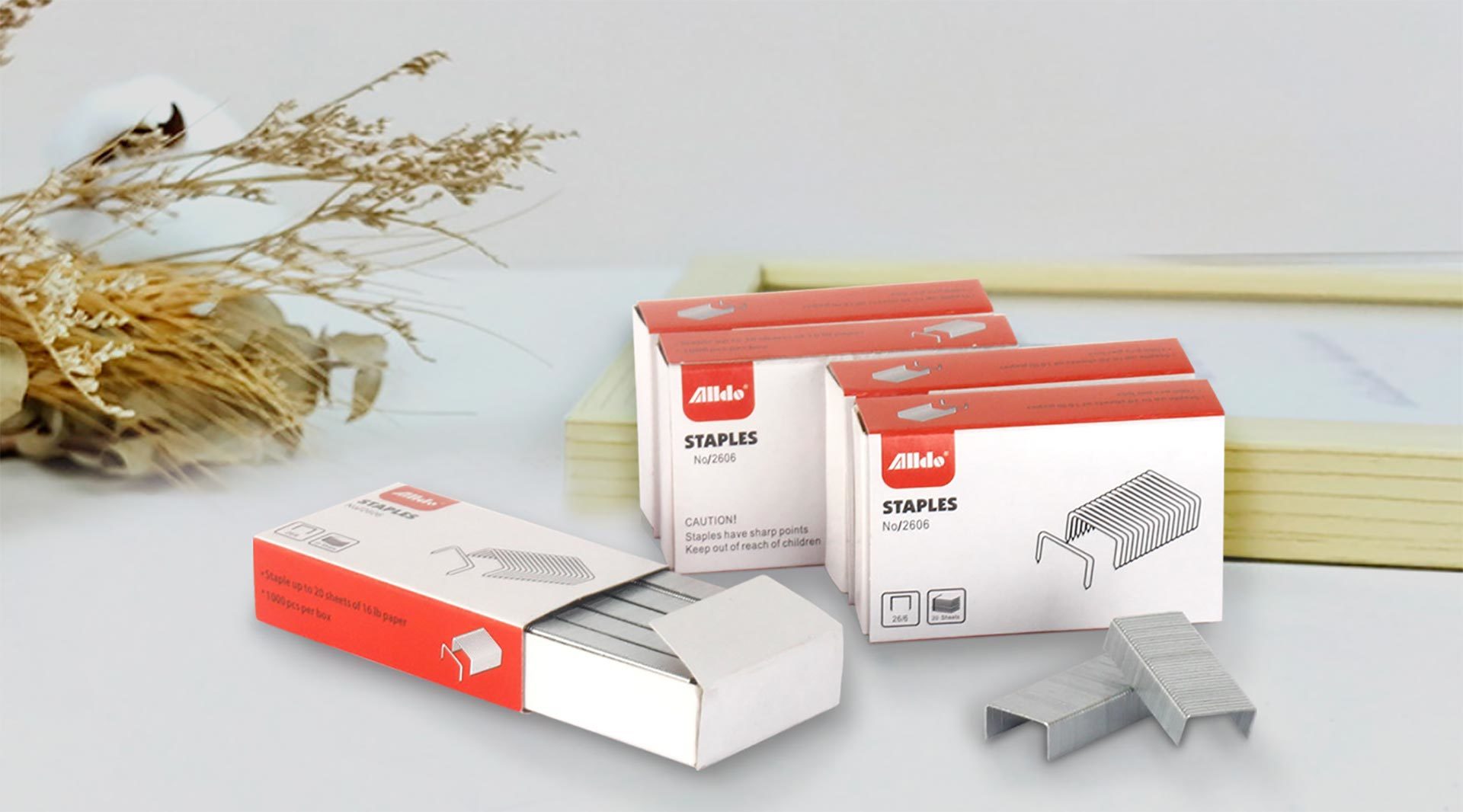
At the core, staples are small metal fasteners designed to hold multiple sheets of paper together. The most common type is the standard staple, which is made of steel and available in various sizes to accommodate different paper thicknesses and project requirements. For instance, smaller staples are suitable for light tasks, while heavier-duty staples can bind thicker stacks of paper without bending or breaking.
In addition to standard staples, there are specialty staples available that cater to unique tasks. For instance, there are heavy-duty staples for binding larger volumes of paper, and even color-coded staples that can help organize documents visually in a vibrant way. When selecting staples, consider the material and gauge; these factors influence durability and the ease of use with different stapling devices.
The choice of stapler is equally important. Manual staplers are commonly used for everyday tasks, but electric staplers can significantly speed up the process for large volumes of documents. There are also staplers with adjustable settings for different staple sizes, providing flexibility depending on the task at hand. Furthermore, some staplers offer features like a staple remover, making it easy to correct mistakes without damaging the documents.
Using staples effectively involves considering the placement and number of staples to ensure a secure binding without damaging the pages. Generally, placing staples in the upper left corner is standard practice, but for thicker documents, additional staples may be needed to ensure stability. It's also advisable to keep extra staples on hand to avoid interruptions during work, ensuring that the flow of productivity remains uninterrupted.
Moreover, it’s essential to maintain stapling equipment for optimal performance. Regularly check and refill the stapler to prevent jams and ensure that it functions smoothly. Familiarize yourself with the stapling guidelines recommended by the manufacturer to achieve the best results.
In conclusion, staples are more than just a simple fastener; they play a critical role in enhancing organization and efficiency in the office. By understanding the types of staples, choosing the right stapler, and employing effective stapling techniques, you can transform how you manage paperwork, leading to a more streamlined and productive work environment. Whether you're assembling reports, presentations, or everyday documents, staples are an indispensable resource that should not be overlooked in your office supplies.
Latest News