
The Essential Guide to Staples: Your Office Companion
When it comes to office supplies, staples may seem like a small item, but they play a significant role in keeping documents organized and maintaining professionalism in your work environment. Understanding the different types of staples and their applications can greatly enhance your office efficiency. Staples are metal fasteners that bind sheets of paper together, providing a neat and effective m
When it comes to office supplies, staples may seem like a small item, but they play a significant role in keeping documents organized and maintaining professionalism in your work environment. Understanding the different types of staples and their applications can greatly enhance your office efficiency.
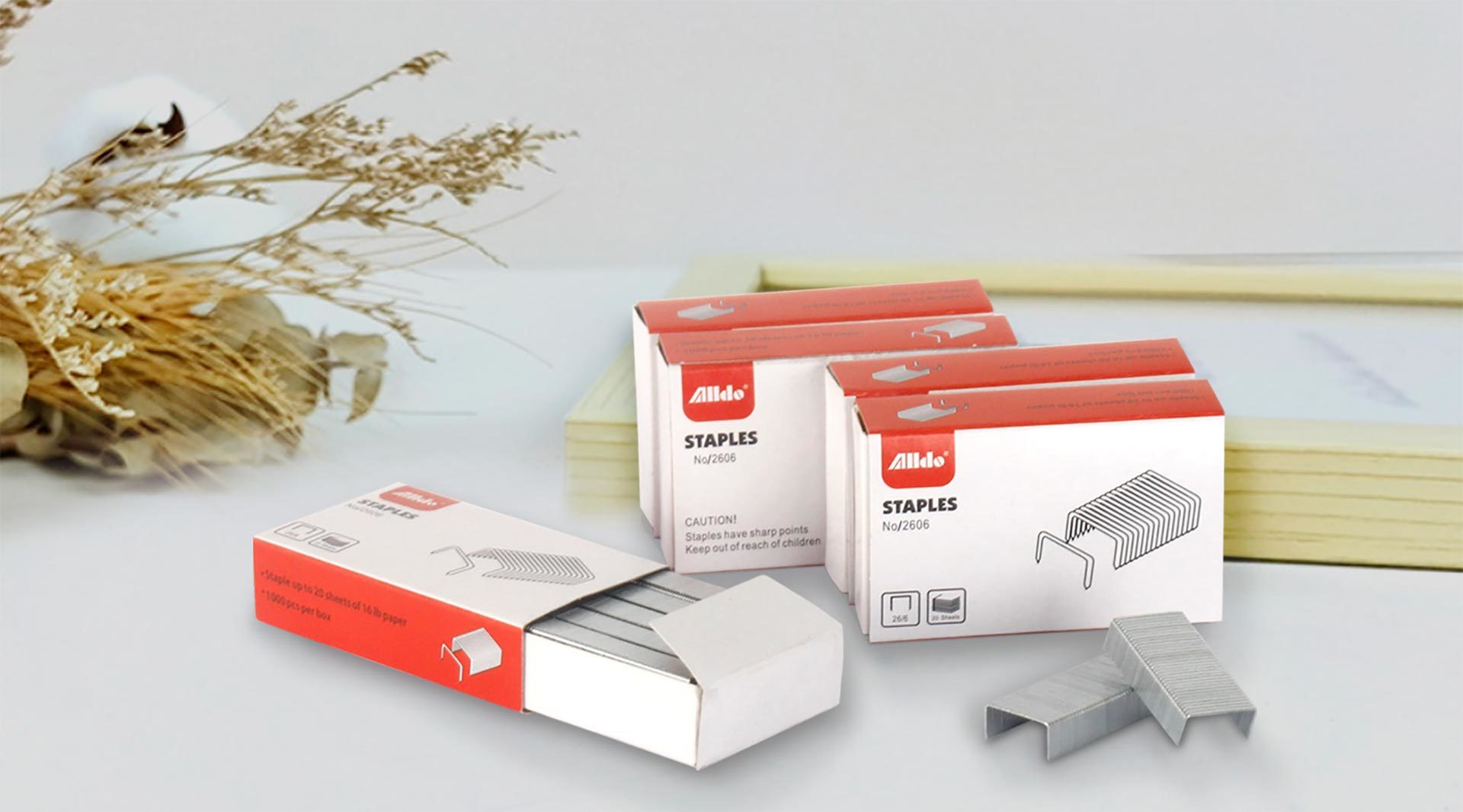
Staples are metal fasteners that bind sheets of paper together, providing a neat and effective method for document management. The most common type is the standard staple, which is used for general purposes. They come in various sizes, typically ranging from 26/6 to 24/6, where the numbers denote the length of the staple legs and the gauge of the wire used. Choosing the right size is crucial; using staples that are too short may not secure the pages adequately, while overly long staples can create a mess and may not function properly in your stapler.
In addition to standard staples, there are specialty staples designed for specific tasks. For instance, heavy-duty staples are thicker and longer, making them ideal for binding larger stacks of paper or heavier materials. If your office deals with brochures or booklets, consider using saddle staples, which are crafted to fasten the spine of folded papers together. Understanding these variations allows you to select the best fastener for your needs, ensuring that your documents are not only secure but also presentable.
To enhance your stapling experience, investing in a reliable stapler is essential. Manual staplers are a common choice for smaller workloads, while electric staplers can significantly increase efficiency for high-volume tasks. When selecting a stapler, consider factors such as ease of use, capacity, and durability. Regular maintenance is also important; keeping your stapler clean and lubricated can prevent jams and ensure smooth operation.
An often-overlooked aspect of using staples is proper disposal. While staples are small, they can create issues in recycling and waste disposal. Consider using staplers that offer a staple-less option, which binds pages without leaving metal fasteners behind. This not only is environmentally friendly but also streamlines the recycling process.
In conclusion, staples are more than just office supplies; they are essential tools for maintaining order and professionalism in your workspace. By understanding the different types of staples, selecting the right stapler, and being mindful of disposal methods, you can enhance efficiency and organization in your office. Incorporating these tips will ensure that you make the most out of this often underestimated office essential, turning chaos into clarity with every staple you use.
Staples are metal fasteners that bind sheets of paper together, providing a neat and effective method for document management. The most common type is the standard staple, which is used for general purposes. They come in various sizes, typically ranging from 26/6 to 24/6, where the numbers denote the length of the staple legs and the gauge of the wire used. Choosing the right size is crucial; using staples that are too short may not secure the pages adequately, while overly long staples can create a mess and may not function properly in your stapler.
In addition to standard staples, there are specialty staples designed for specific tasks. For instance, heavy-duty staples are thicker and longer, making them ideal for binding larger stacks of paper or heavier materials. If your office deals with brochures or booklets, consider using saddle staples, which are crafted to fasten the spine of folded papers together. Understanding these variations allows you to select the best fastener for your needs, ensuring that your documents are not only secure but also presentable.
To enhance your stapling experience, investing in a reliable stapler is essential. Manual staplers are a common choice for smaller workloads, while electric staplers can significantly increase efficiency for high-volume tasks. When selecting a stapler, consider factors such as ease of use, capacity, and durability. Regular maintenance is also important; keeping your stapler clean and lubricated can prevent jams and ensure smooth operation.
An often-overlooked aspect of using staples is proper disposal. While staples are small, they can create issues in recycling and waste disposal. Consider using staplers that offer a staple-less option, which binds pages without leaving metal fasteners behind. This not only is environmentally friendly but also streamlines the recycling process.
In conclusion, staples are more than just office supplies; they are essential tools for maintaining order and professionalism in your workspace. By understanding the different types of staples, selecting the right stapler, and being mindful of disposal methods, you can enhance efficiency and organization in your office. Incorporating these tips will ensure that you make the most out of this often underestimated office essential, turning chaos into clarity with every staple you use.
Latest News