Mastering the Art of Stapling: Essential Insights for Office Efficiency
In the realm of office supplies, the stapler stands out as a quintessential tool, serving a fundamental role in document organization and presentation. While it may seem like a modest item in the world of desktop stationery, understanding the intricacies of staplers can significantly enhance your workspace efficiency and productivity. Firstly, staplers come in various designs and mechanisms, each
In the realm of office supplies, the stapler stands out as a quintessential tool, serving a fundamental role in document organization and presentation. While it may seem like a modest item in the world of desktop stationery, understanding the intricacies of staplers can significantly enhance your workspace efficiency and productivity.
Firstly, staplers come in various designs and mechanisms, each catering to specific needs. The most common type is the manual stapler, which is often used for everyday tasks such as binding reports or documents. This type offers simplicity and reliability, making it a staple (pun intended) in any office. On the other hand, electric staplers are gaining popularity for their speed and ease of use, especially in busy environments where large volumes of documents need to be processed quickly. For those dealing with thicker stacks, heavy-duty staplers provide the necessary power to bind multiple sheets securely.
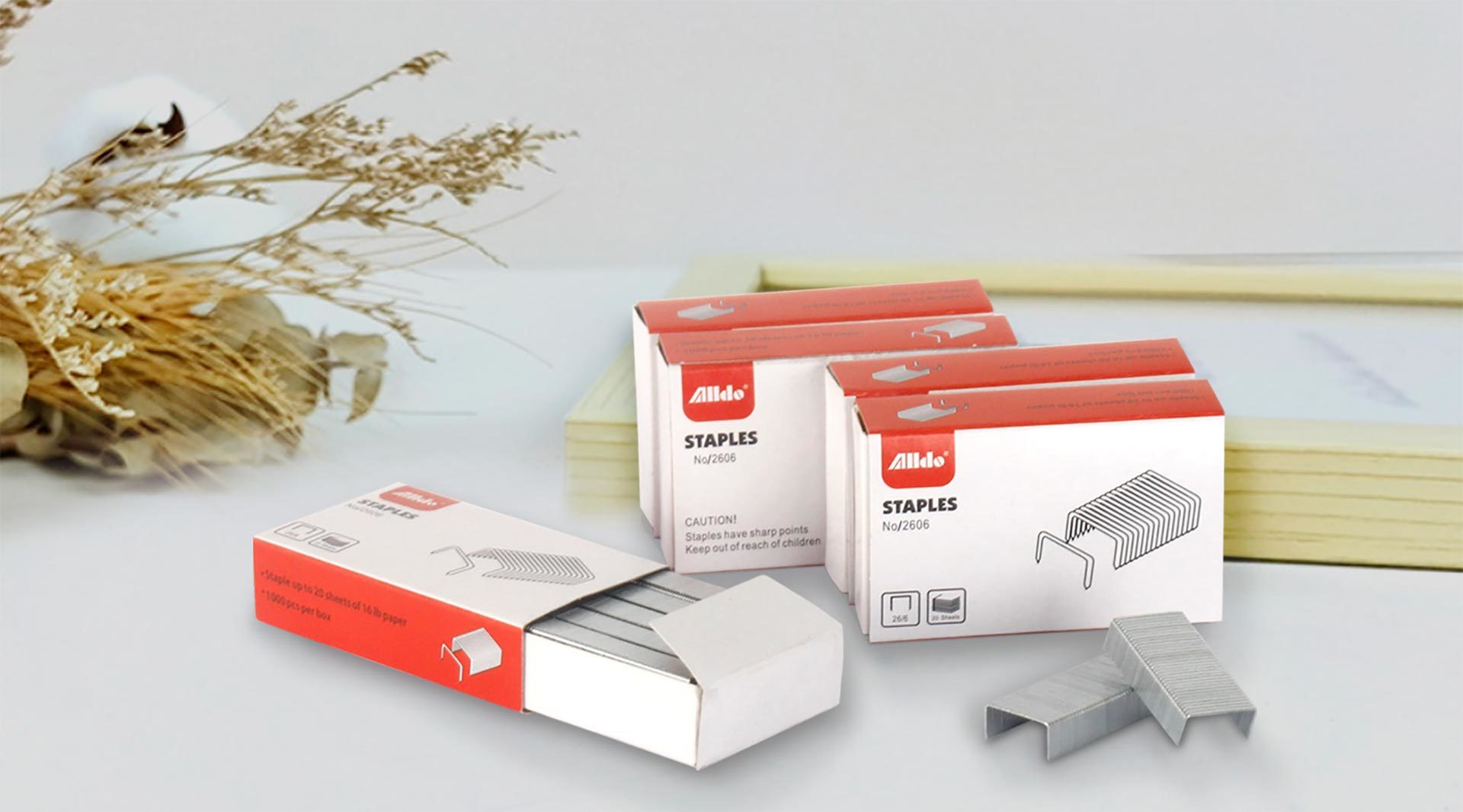
One essential aspect to consider when choosing a stapler is the type of staples it uses. Not all staplers are created equal, and using the correct staples for your specific model is crucial to avoid jams and ensure efficient operation. Regular maintenance, such as cleaning the stapler and ensuring it is loaded with the right staples, can prevent common issues that disrupt workflow.
Additionally, ergonomic design should not be overlooked. An ergonomic stapler can significantly reduce strain during repetitive use, promoting comfort and efficiency. Features such as soft grip handles and adjustable stapling depth can enhance the user experience, particularly in high-volume tasks.
Another important factor is stapler placement within the workspace. Keeping your stapler within easy reach can reduce time spent searching for it, thereby streamlining your document processing tasks. Consider organizing your desk with a designated area for frequently used supplies, including the stapler, to maintain an efficient workflow.
In terms of sustainability, many companies are now producing eco-friendly staplers and staples made from recycled materials. This trend aligns with the growing emphasis on sustainability in business practices, allowing offices to reduce their environmental footprint while still maintaining functionality.
In conclusion, while often an overlooked tool, the stapler plays a pivotal role in the organization of documents within any office environment. By understanding the various types available, ensuring proper maintenance, and considering ergonomic options, you can maximize your office efficiency and create a more productive workspace. Investing time in selecting the right stapler can lead to smoother operations and less frustration, ultimately benefiting your overall workflow.
Firstly, staplers come in various designs and mechanisms, each catering to specific needs. The most common type is the manual stapler, which is often used for everyday tasks such as binding reports or documents. This type offers simplicity and reliability, making it a staple (pun intended) in any office. On the other hand, electric staplers are gaining popularity for their speed and ease of use, especially in busy environments where large volumes of documents need to be processed quickly. For those dealing with thicker stacks, heavy-duty staplers provide the necessary power to bind multiple sheets securely.
One essential aspect to consider when choosing a stapler is the type of staples it uses. Not all staplers are created equal, and using the correct staples for your specific model is crucial to avoid jams and ensure efficient operation. Regular maintenance, such as cleaning the stapler and ensuring it is loaded with the right staples, can prevent common issues that disrupt workflow.
Additionally, ergonomic design should not be overlooked. An ergonomic stapler can significantly reduce strain during repetitive use, promoting comfort and efficiency. Features such as soft grip handles and adjustable stapling depth can enhance the user experience, particularly in high-volume tasks.
Another important factor is stapler placement within the workspace. Keeping your stapler within easy reach can reduce time spent searching for it, thereby streamlining your document processing tasks. Consider organizing your desk with a designated area for frequently used supplies, including the stapler, to maintain an efficient workflow.
In terms of sustainability, many companies are now producing eco-friendly staplers and staples made from recycled materials. This trend aligns with the growing emphasis on sustainability in business practices, allowing offices to reduce their environmental footprint while still maintaining functionality.
In conclusion, while often an overlooked tool, the stapler plays a pivotal role in the organization of documents within any office environment. By understanding the various types available, ensuring proper maintenance, and considering ergonomic options, you can maximize your office efficiency and create a more productive workspace. Investing time in selecting the right stapler can lead to smoother operations and less frustration, ultimately benefiting your overall workflow.
Latest News