The Essential Guide to Choosing the Right Stapler for Your Office Needs
In the realm of office supplies, the stapler remains an indispensable tool for professionals seeking to maintain organization and efficiency. Selecting the right stapler for your specific needs can significantly improve document management and enhance productivity in the workplace. Here, we will examine the various types of staplers available, their features, and practical considerations for choos
In the realm of office supplies, the stapler remains an indispensable tool for professionals seeking to maintain organization and efficiency. Selecting the right stapler for your specific needs can significantly improve document management and enhance productivity in the workplace. Here, we will examine the various types of staplers available, their features, and practical considerations for choosing the ideal stapler for your office.
First, it's essential to understand the different types of staplers. The most common category includes manual staplers, which rely on human effort to drive the staple into the paper. These are typically suitable for moderate use, such as in a home office or small business. For those who handle larger volumes of paperwork, electric staplers offer a convenient solution, enabling rapid stapling with minimal effort. These machines are particularly beneficial in high-volume environments, such as print shops or large offices, where efficiency is crucial.
Another important type is the heavy-duty stapler, designed to accommodate thicker stacks of paper. These staplers often feature a more robust design and can staple together multiple sheets, which is particularly useful for compiling reports or presentations. Moreover, there are specialty staplers, including tacker staplers used for fastening materials like fabric or plastic, which may be relevant in specific office settings.
When selecting a stapler, consider the following features: stapling capacity, ease of use, and durability. The stapling capacity refers to the number of sheets the stapler can handle at once. For typical office use, a capacity of around 20 sheets is usually sufficient, while heavy-duty staplers can accommodate up to 100 sheets or more. Additionally, ergonomic designs can reduce strain on the user's hand, making the stapler more comfortable to operate over extended periods.
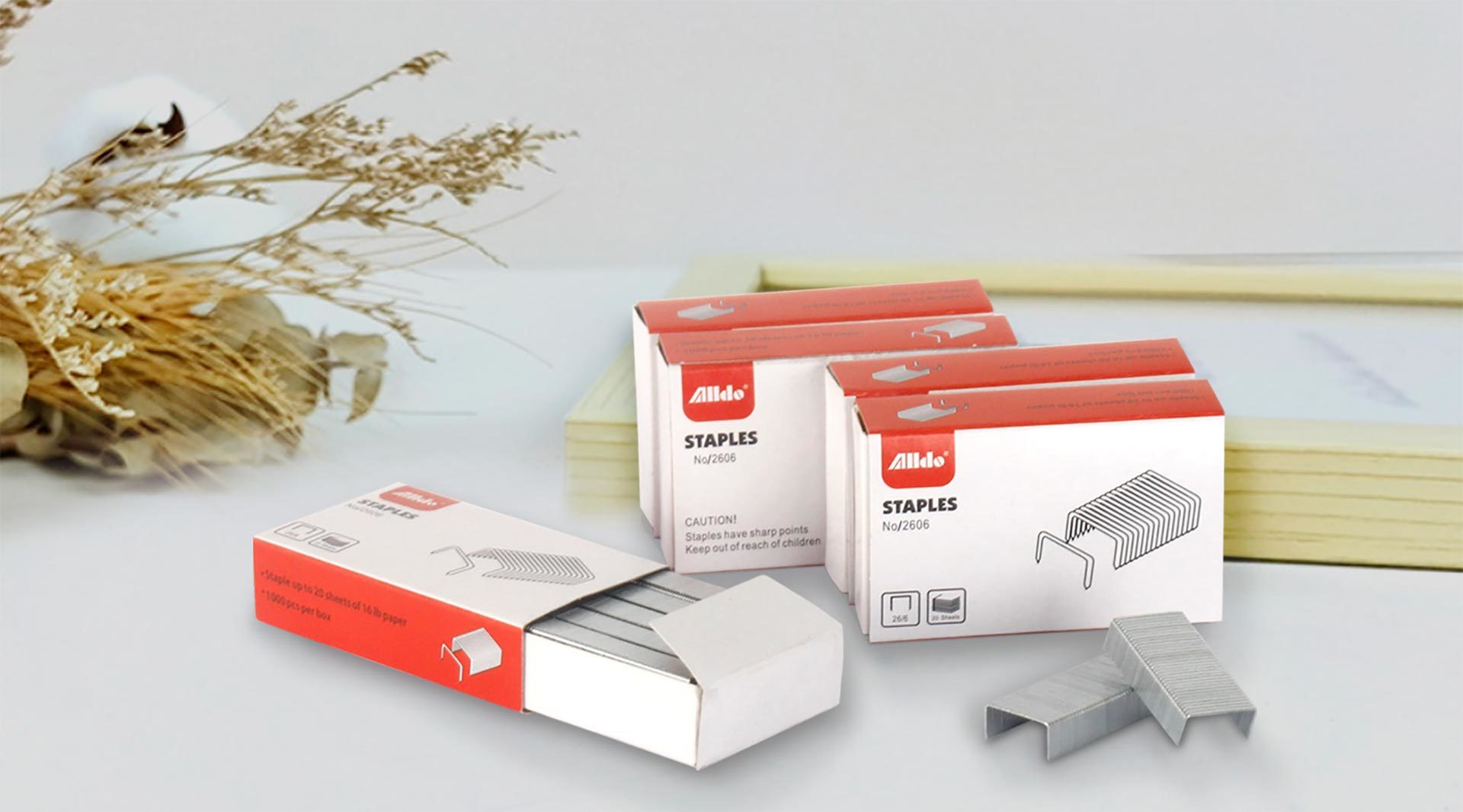
Durability is another key factor; a well-constructed stapler can withstand daily use without frequent breakdowns. Look for models made from high-quality materials and mechanisms, as these are often more reliable in the long run. Furthermore, consider the availability of replacement staples, as this can affect the overall cost of ownership.
Finally, assess the aesthetic and practical design of the stapler. An attractive design can enhance your office's visual appeal, while compact models may save desk space.
In conclusion, choosing the right stapler involves evaluating your office’s specific needs and understanding the various options available. By considering the type, features, and durability of staplers, you can make an informed decision that supports your productivity and contributes to an organized workspace.
First, it's essential to understand the different types of staplers. The most common category includes manual staplers, which rely on human effort to drive the staple into the paper. These are typically suitable for moderate use, such as in a home office or small business. For those who handle larger volumes of paperwork, electric staplers offer a convenient solution, enabling rapid stapling with minimal effort. These machines are particularly beneficial in high-volume environments, such as print shops or large offices, where efficiency is crucial.
Another important type is the heavy-duty stapler, designed to accommodate thicker stacks of paper. These staplers often feature a more robust design and can staple together multiple sheets, which is particularly useful for compiling reports or presentations. Moreover, there are specialty staplers, including tacker staplers used for fastening materials like fabric or plastic, which may be relevant in specific office settings.
When selecting a stapler, consider the following features: stapling capacity, ease of use, and durability. The stapling capacity refers to the number of sheets the stapler can handle at once. For typical office use, a capacity of around 20 sheets is usually sufficient, while heavy-duty staplers can accommodate up to 100 sheets or more. Additionally, ergonomic designs can reduce strain on the user's hand, making the stapler more comfortable to operate over extended periods.
Durability is another key factor; a well-constructed stapler can withstand daily use without frequent breakdowns. Look for models made from high-quality materials and mechanisms, as these are often more reliable in the long run. Furthermore, consider the availability of replacement staples, as this can affect the overall cost of ownership.
Finally, assess the aesthetic and practical design of the stapler. An attractive design can enhance your office's visual appeal, while compact models may save desk space.
In conclusion, choosing the right stapler involves evaluating your office’s specific needs and understanding the various options available. By considering the type, features, and durability of staplers, you can make an informed decision that supports your productivity and contributes to an organized workspace.
Latest News